
How well can you spot a scam? Take the following quizzes to help protect yourself the next time you get an email, text message, website pop-up or phone call. Scam Spotter Can you spot when you’re being phished? OpenDNS Phishing Quiz … [Read more...]
July 31, 2020 By Computer Techs
July 31, 2019 By Computer Techs
What you need to know about the Summer 2017 Equifax data breach
Updated 7/31/19 to include Equifax Data Breach Settlement information: In July 2019 Equifax agreed to a settlement with the Federal Trade Commission, the Consumer Financial Protection Bureau, and 50 U.S. states and territories. The settlement includes up to $425 million to help people affected by the data breach. For more information including a lookup tool to see if your data was affected by the data breach, see the following official FTC website: ftc.gov/Equifax Beware of … [Read more...]
January 31, 2019 By Computer Techs
Email scam uses data from breached websites to craft authentic looking email – How to check if your data was exposed
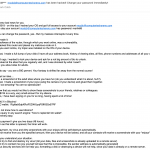
A new email scam has been quickly spreading with different variants that claims to have hacked the recipient’s email account and includes a password used by the recipient. One variant further claims to have caught the recipient looking at pornographic websites, and demanding “ransom” in the form of Bitcoin payment to prevent the release of webcam photos being sent to all the recipient’s contacts. An example email is shown below. If you’re the recipient of such an email you may think … [Read more...]
May 28, 2018 By Computer Techs
FBI urges home users to reboot their routers to disrupt the spread of newly discovered malware
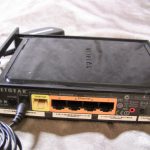
The FBI is urging owners of routers used in most homes and small offices perform a power-cycle (reboot) of their device to help disrupt the spread of a newly discovered malware targeting such devices. Vulnerable routers include popular devices from Netgear, Linksys, and TP-Link - however this is not a complete list. A reboot is done by unplugging the thin/black power cable from the rear of the router, waiting about 15 seconds, then plugging it back in. After a few minutes all of the lights on … [Read more...]
November 8, 2016 By Computer Techs
How to manage your passwords – easily and safely
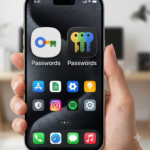
Updated August 2026: When helping clients log in to their computer or websites, often we'll see them pull out a scratch pad or sticky notes with various passwords scribbled on the page. There’s a better organized and more secure method to keep track of your login information. First of all, it's important that you are not using the same password for multiple web sites. The danger in doing so is that when your login information is exposed in a data breach, hackers will attempt to use that … [Read more...]
November 8, 2016 By Computer Techs
Secure your email and other accounts with 2-step verification
With email account hacking being a common occurrence, email providers Google, Microsoft and others introduced a 2-step verification process that can keep unwanted people from accessing your email account, or help you regain access to it in the event of a forgotten password or if it has been taken over by a hacker. It is important to note that you must setup 2-step verification for your account before hackers have a chance to do it first - and potentially lock you out of your account. … [Read more...]
December 8, 2014 By Computer Techs
Why your most important password is the one that secures your email
You may think that nobody would be interested in reading your email, therefore your email password doesn't need to be secure. However if a hacker accesses your email, consider the following common occurrences: A hacker can change your password and lock you out of your account. A hacker can go to financial and shopping websites and have password reset requests sent to your email address. With access to your financially related websites in the hands of a miscreant, you could potentially … [Read more...]
April 30, 2014 By Computer Techs
How to change your email password
Updated May 2024: Below are links to instructions for changing your password at most major email providers. Please review how to safely manage your passwords when creating a new password. AOL Mail AT&T/Yahoo email - att.net, sbcglobal.net, prodigy.net, nvbell.net Charter email Gmail Hotmail/Outlook.com Yahoo Mail If you access email on your smart phone, tablet or email program on your computer, don't forget to update the password on those device(s) with the new … [Read more...]
April 9, 2014 By Computer Techs
Heartbleed flaw impacts half a million websites – change your passwords

The "Heartbleed bug" is a flaw in the OpenSSL encryption standard that is used by half a million websites which was uncovered on April 7. Most websites that require a password to access use OpenSSL encryption to "scramble" the data transferred between your computer and the website's server. OpenSSL has since been patched and millions of websites - many that you likely use - are being updated and new encryption certificates and keys are being issued. So what does this all mean for the average … [Read more...]
January 18, 2014 By Computer Techs
New twists in tech support phone scams
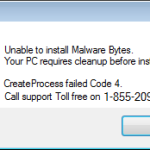
For years we’ve been warning people about tech support scams where someone claiming to be from Microsoft, your internet service provider or computer manufacturer calls to inform you that your computer is in danger and filled with trojan viruses or critical errors. In a later twist, shady companies began advertising on Google, Yahoo, Bing and other websites targeting search terms such as “HP tech support number” in hopes that vulnerable computer users would call them. After calling the number … [Read more...]