
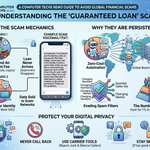
At Computer Techs, we constantly monitor the latest cybersecurity and digital privacy threats targeting our devices. Lately, there’s been a massive surge in a very specific type of spam: the daily "approved loan" notification. We've been receiving daily communications from random Canadian numbers on our phone - often arriving as a voicemail or text message - about a large personal or business loan that was supposedly approved. It’s a classic advance-fee fraud scheme mixed with a sophisticated … [Read more...]
September 28, 2026 By Computer Techs
August 3, 2026 By Computer Techs
Imposters may use information leaked in data breaches to trick you
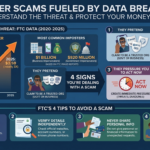
Every year, data breaches expose the personal information of millions of people. While many worry about outright identity theft, there is another growing threat that stems from these leaks: highly convincing imposter scams. Armed with your name, phone number, and snippets of your financial or personal history gathered from the dark web, scammers can easily pose as trusted entities to steal your money. When someone claiming to be from the FTC, the FBI, or your bank's fraud department recites … [Read more...]
April 22, 2025 By Computer Techs
Why Retirees Are Targets for Identity Theft or Credit Fraud

When people retire, it’s easy to assume that certain financial concerns fade away—especially the fear of identity theft or credit fraud. After all, if you're no longer applying for loans or opening new credit cards, why would anyone want to target your credit file? In reality, seniors remain prime targets for identity thieves, and freezing your credit can be one of the simplest and most effective ways to guard against potential financial harm. Here’s why even retirees should seriously … [Read more...]
March 18, 2025 By Computer Techs
Can your data really be taken off the dark web?

While no service can guarantee the complete and permanent removal of your data from the dark web, some services can reduce your exposure. Here's a breakdown of what they can and cannot do: What Dark Web Monitoring Services Can Do: Monitor: These services continuously scan known dark web marketplaces, forums, and other hidden areas for your personal information. This includes things like: Email addresses Passwords Social Security numbers Credit card numbers Bank account … [Read more...]
March 19, 2024 By Computer Techs
FTC warning consumers about new tech support scams – Here’s what you need to know
In their “Anatomy of an Imposter Scam” blog series, the Federal Trade Commission (FTC) breaks down how to recognize, avoid, and report business and government imposter scams. Scammers are targeting people with pop-up warnings or calls claiming to have detected a virus on their computer. Here's the rundown: The Scam: You receive a pop-up warning or a phone call claiming a virus has infected your computer, or a fraudulent charge on your account. The scammer offers "tech support" to fix the … [Read more...]